One of the most fundamental principles of effective marketing is understanding who your target demographic is and what messaging will resonate most with them. But that’s not quite as straightforward as it may sound. Especially in the current cultural climate, understanding the complexities of multicultural segmentation is essential to reaching your desired audience.
The internet and social media have drastically altered how people identify themselves and the groups they consider themselves part of. And companies must adapt to better tailor their niche marketing strategies to these multi-faceted target audiences.
The Collapse of Single, Broad-Category Labels
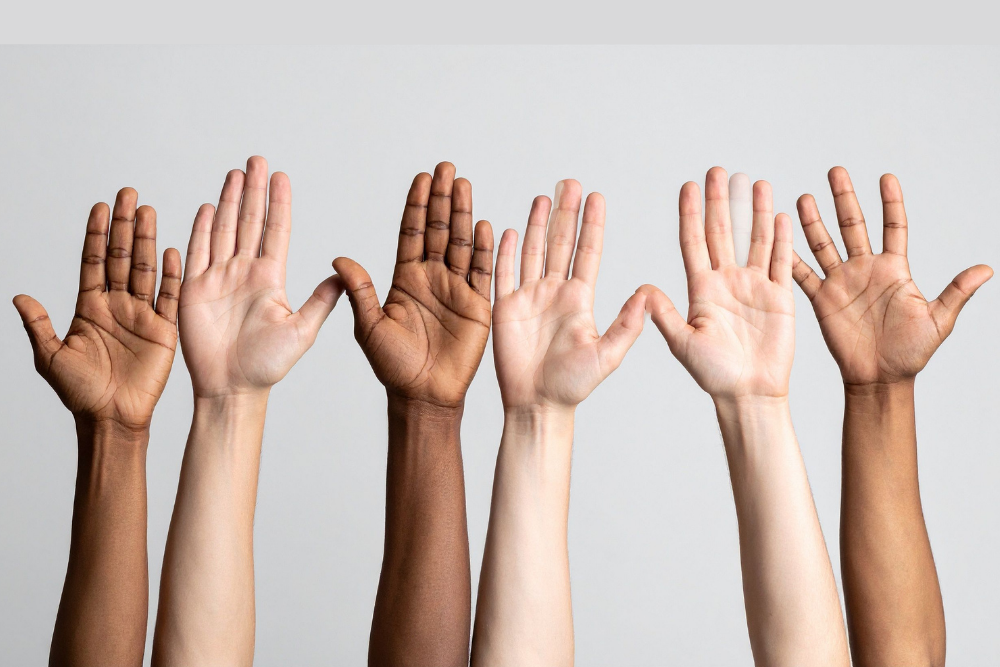
Historically, marketers have gotten away with painting their audiences with broad strokes, shepherding consumers into single, monolithic categories. Their audiences were “Asian,” “Hispanic,” or “female.” But these labels no longer accurately reflect the way people define themselves. The internet has allowed people to expand the diversity of their socio-economic circles, connect with others with more specific shared experiences, and incorporate more individualized labels into how they identify themselves.
These changes bring marketers both greater challenges and greater opportunities. Marketers now must determine more specifically who they want their messaging to speak to and how they want to communicate. At the same time, the shifting multicultural climate allows marketers to better hone in on their target audiences with messaging that speaks to people in more profound ways.
The Rise of Intersectional, Hyper-Local, and Acculturation-Based Segmentation
Social identity is no longer a single thing. Consumers aren’t just a gender, race, nationality, or sexual orientation. They’re all those things in endless combinations. They’re no longer just New Yorkers or Californians or Midwesterners. Their identities are tied to specific neighborhoods or other precise geographic areas. To add even more complexity, people from one cultural segment are constantly adapting to and absorbing other cultural habits, tendencies, and preferences.
The old rules of cultural segmentation no longer apply in the modern, hyper-connected world. Consumers are forming their habits and values based on more diverse and dynamic identities and influences. Marketers can no longer rely on broad generalizations to define and reach their target audiences.
But intersectional, hyper-local, and acculturation-based segmentation are creating limitless possibilities for marketers to tailor their products and messaging to better connect with consumers and inspire greater brand loyalty. Companies can introduce variations to their products for specific audience segments, and marketers can create highly nuanced messaging to attract and engage consumers.
Reaching the Right Audiences with the Right Messages
To better understand how to incorporate multicultural segmentation into your marketing strategies, contact the members at Ebony Marketing Systems, experts in conducting research to find new ways to reach people. For more information, call us at (718) 742-0006 or send us a message today.