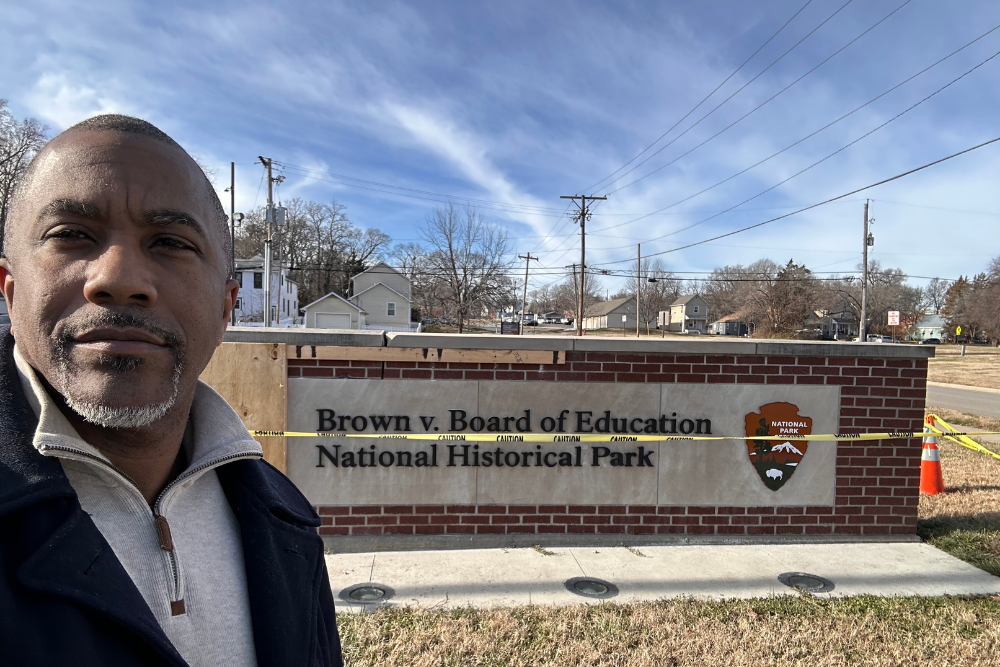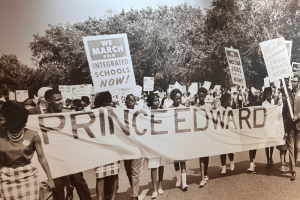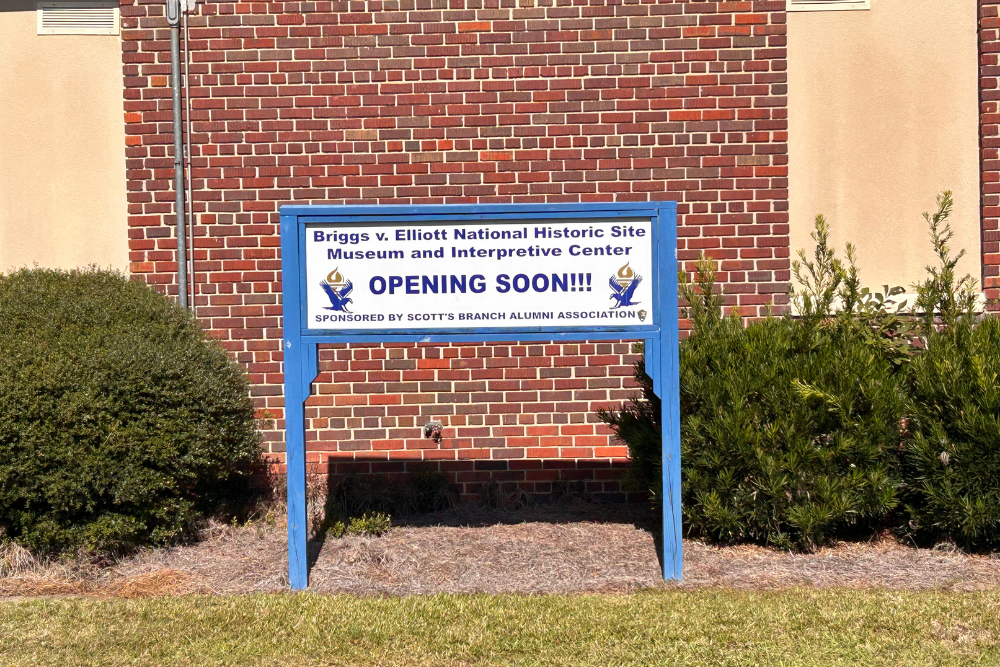
Throughout Black History Month, our Vice President of Qualitative Research, Reggie Alston, is reflecting on a focus group project conducted at each of the five communities whose legal challenges were consolidated into Brown v. Board of Education.
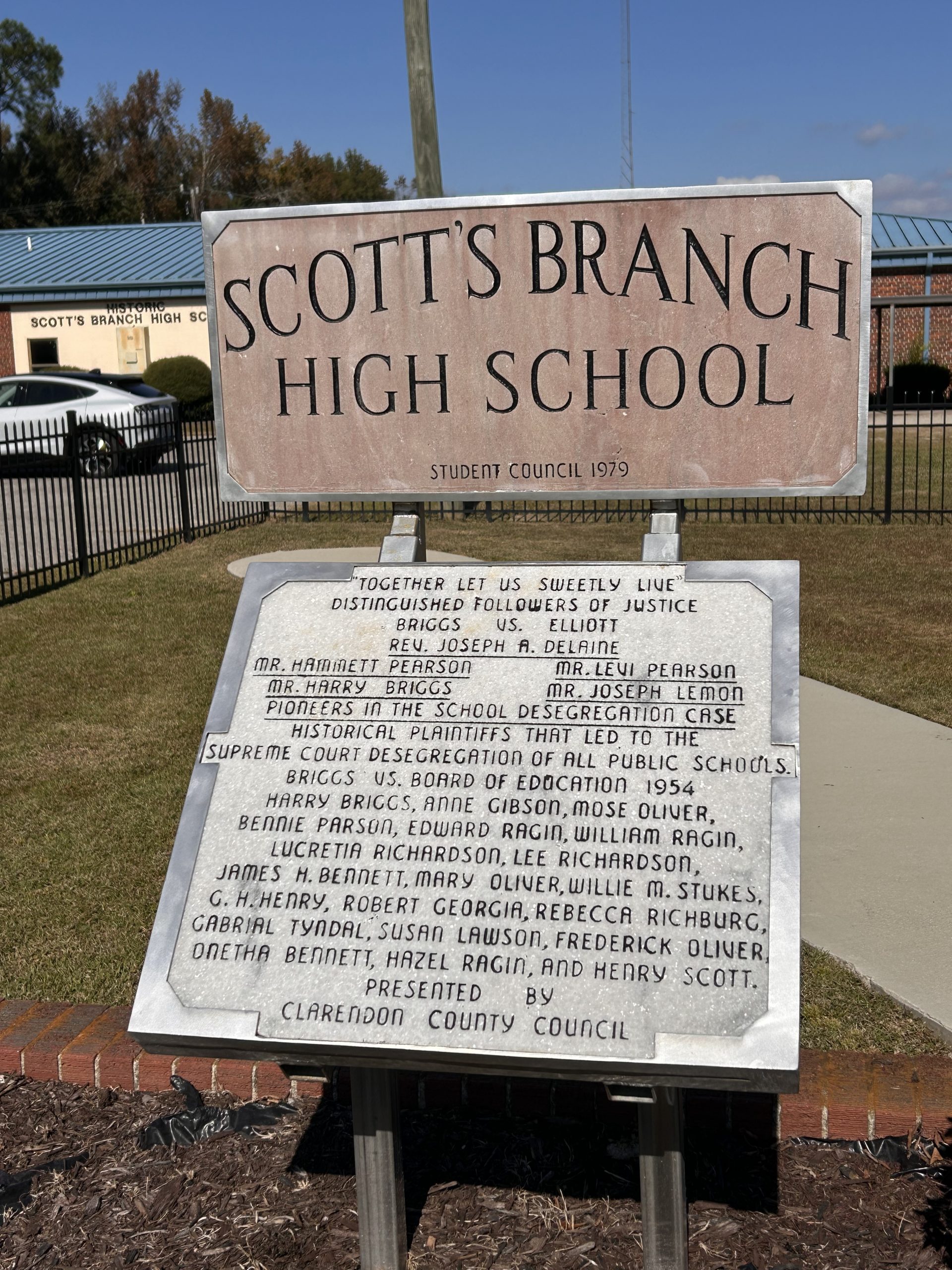
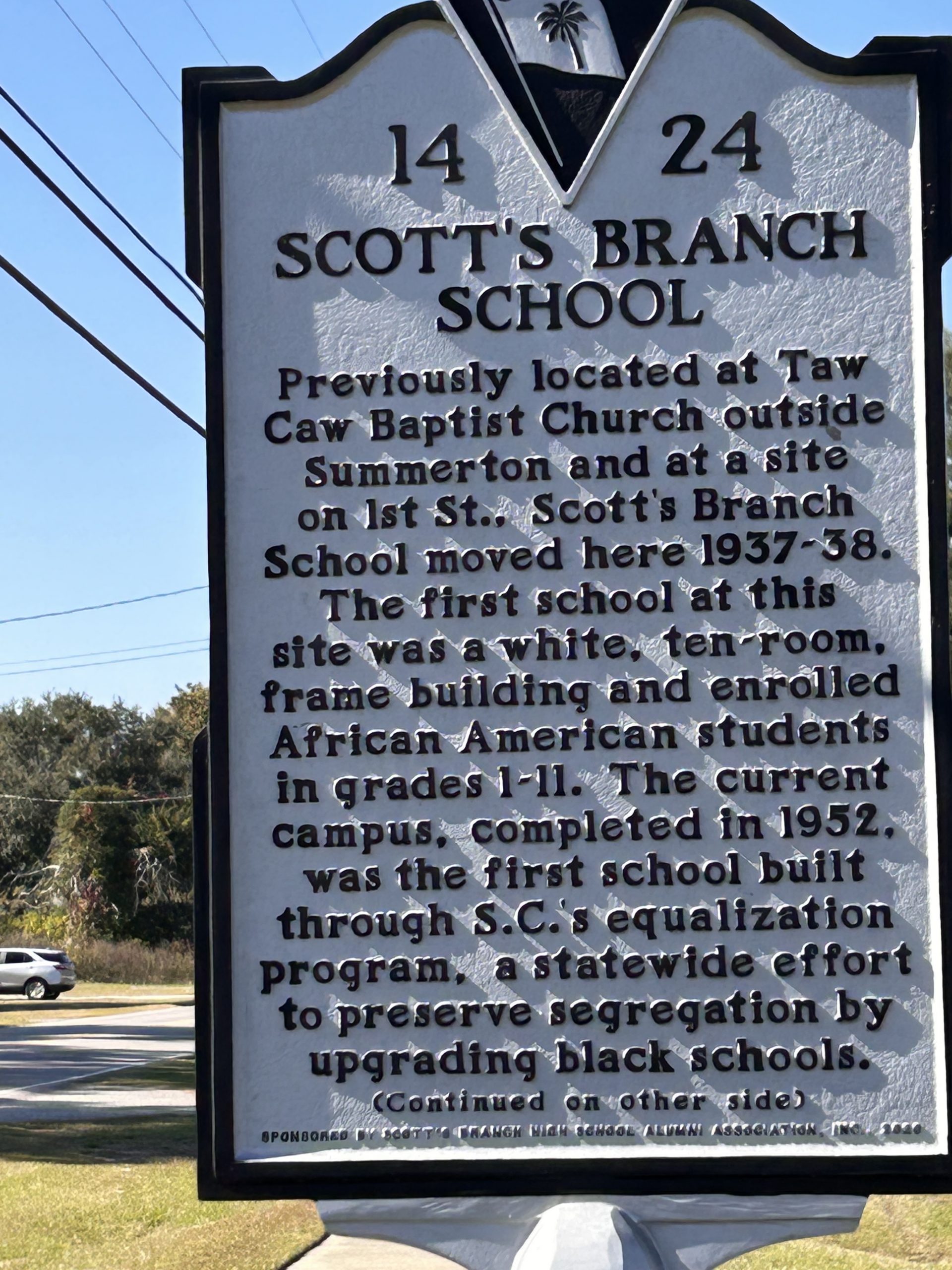
Two sites from the Brown story don’t have traditional visitor centers, but their impact is undeniable.
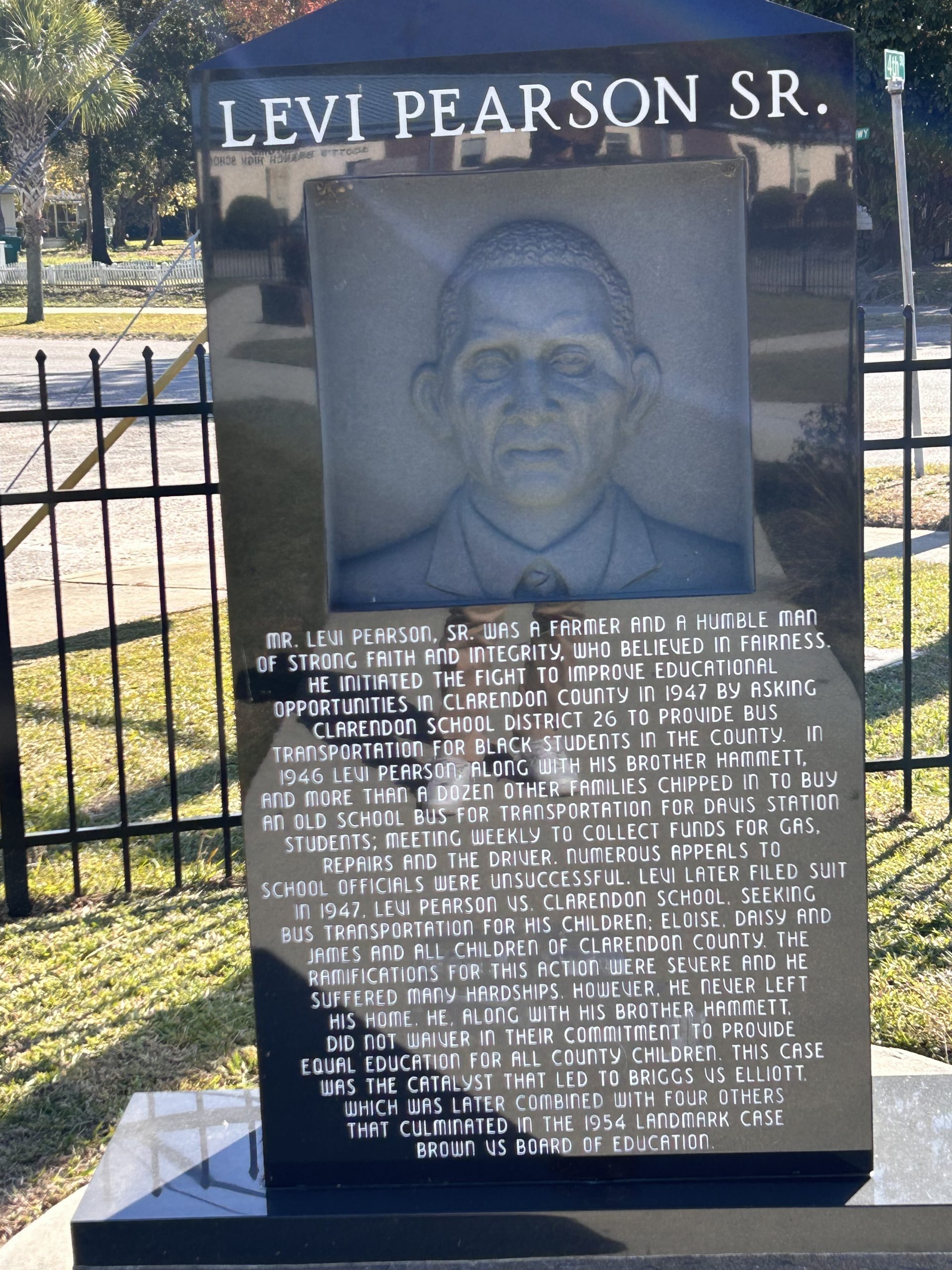
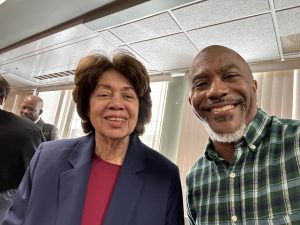
In Summerton, South Carolina, I had the pleasure of meeting Cecil Williams, a photographer who, at the age of 14 helped, capture important Civil Rights Movement events including Briggs v. Elliott and the 1968 Orangeburg Massacre. Today, Cecil continues that legacy through his work with Actively Black, using culture and commerce to affirm Black identity and history.
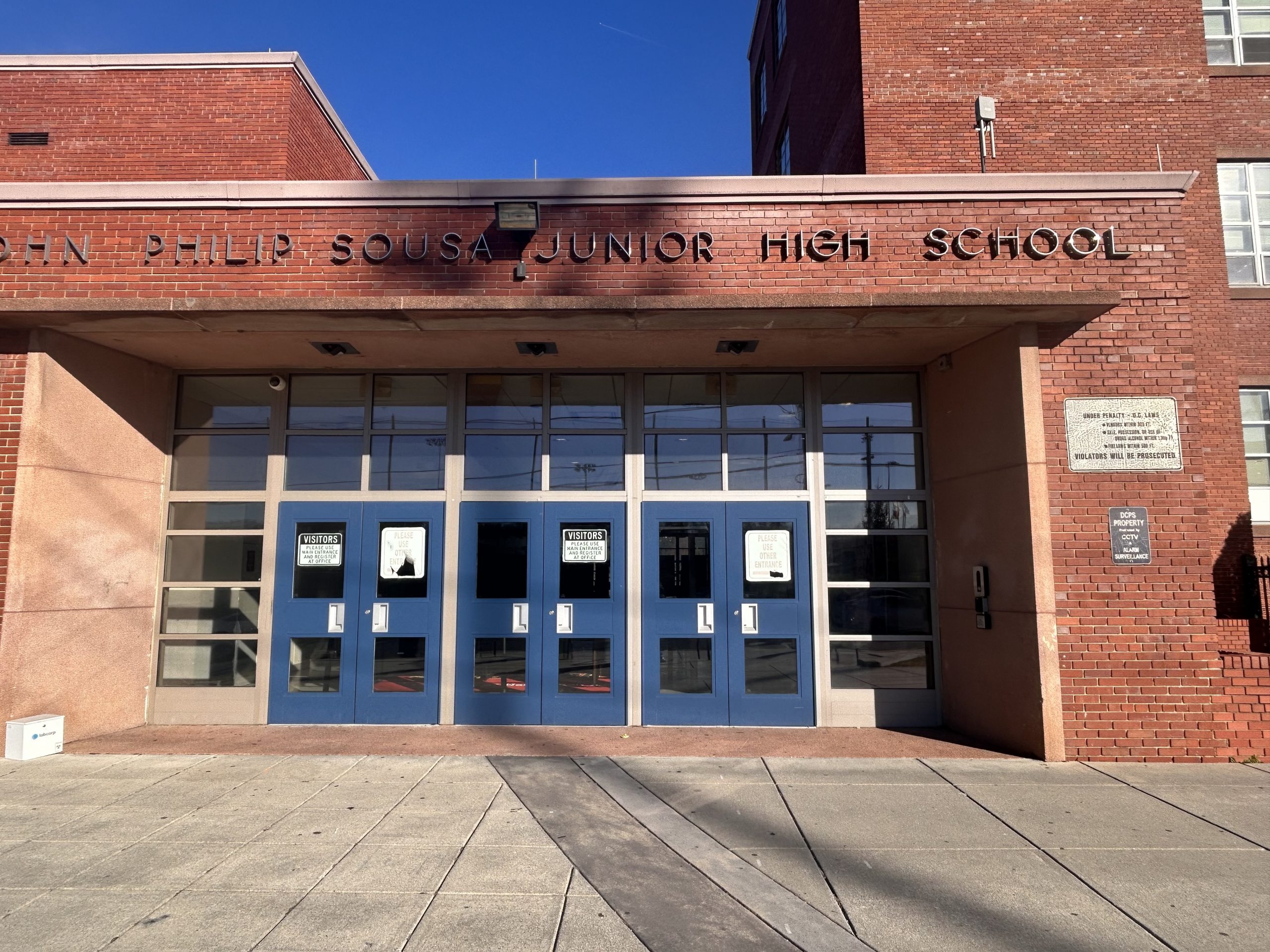
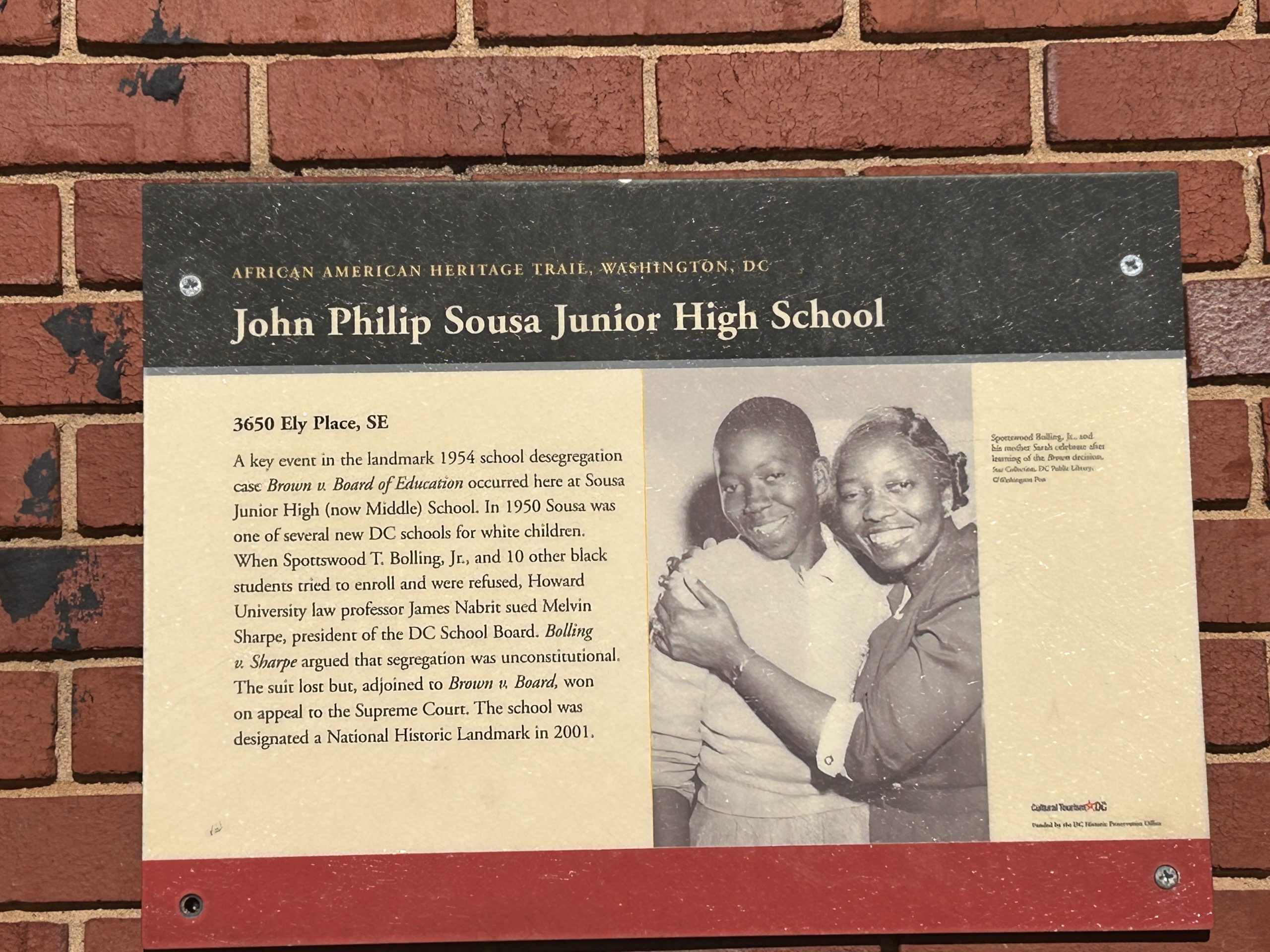
In Washington, D.C., the Bolling v. Sharpe case challenged segregation in the nation’s capital. The associated middle school is still functioning today. Students in my focus group told me something powerful:
“If people knew this school’s history, they’d see us differently.”
That stuck with me.
History doesn’t disappear when buildings change. Ordinary people continue to carry it forward whether through storytelling, education, or cultural expression.